What to Check on a Broken Window Before the Locksmith Arrives
Assess the damage from a safe distance
Before you do anything else, stop and look at the broken window from a few steps back. Is the glass still in the frame? Is it cracked but intact, or are there loose shards on the sill and floor? A cracked double-glazed unit that has not yet fallen apart is very different from a shattered pane with a hole. Your first job is to understand what you are dealing with so you can make sensible choices about what to touch and what to leave alone.
If the glass is still in one piece, even with a spiderweb of cracks, it is safer to leave it in place until help arrives. Disturbing it can turn a repairable situation into a bigger mess. If there is a hole and sharp edges are exposed, you need to isolate that area and keep everyone away from it, especially children and pets. The aim is to prevent injury and stop the damage from spreading while you wait for a professional.
Check the window lock and handle
A broken window often means the lock or handle has been forced, or the glass has been smashed near the locking point. Look at the lock mechanism itself. Is it still attached to the frame? Has the key broken off inside? Sometimes the handle spins freely because the internal gearbox has snapped, even though the lock looks fine from the outside. This is a common issue on uPVC windows where the lock is part of the handle assembly.
If the lock is damaged, do not try to force it shut or open it repeatedly. Every attempt can bend the locking pins or damage the keep on the frame. Make a note of what kind of window it is - casement, sliding sash, or tilt-and-turn - because that will affect how easy it is to secure temporarily. Casement windows with a centre lock are usually straightforward to board up, while sliding sash windows may need a block in the track to stop them sliding open.

Inspect the window hinge for movement
Window hinges take a lot of strain when the glass breaks. On a casement window, the weight of the glass is supported by the hinges, and a sudden impact can knock them out of alignment. Open and close the window gently, if it is safe to do so, and check whether the hinge arms are still straight. If the window is sagging or the hinge has pulled away from the frame, the whole sash may need to be refitted. In that case, do not try to close it fully; you could warp the frame further.
For side-hung windows, the friction hinges often have adjustment screws that let you correct minor sag. But if the hinge is bent or the screw holes are stripped, that is a repair for a locksmith or window specialist. Do not attempt to realign a hinge by force. Instead, wedge the window closed with a temporary block or piece of wood to take the weight off the hinge until it can be fixed properly.
Look at the perimeter seal and glazing beads
Double glazing relies on a good seal around the edge of the glass. When a window breaks, the perimeter seal can be torn or compressed, and the glazing beads that hold the glass in place may pop out. Check the rubber gasket or the silicone sealant around the pane. If the seal is broken, moisture can get between the panes and cause fogging, and the insulating glass unit may start to fail. That is a separate issue from the lock or hinge, but it matters because a failed seal means the whole glazing unit might need replacing, not just the glass.
The glazing beads are the thin strips of plastic or wood that press the glass into the frame. If they are loose or missing, the glass can fall out. Do not try to push them back in with force; they are often brittle and can snap. Instead, tape them in place temporarily with strong packing tape, taking care not to stick the tape to the glass itself if the glass is already cracked. The tape is only a short-term fix to stop the beads falling off before the repair.
Secure the opening with temporary boarding
If the window is completely broken and you cannot close it safely, temporary boarding is the best way to keep the weather out and your home secure. You need a piece of exterior-grade plywood or oriented strand board, cut to fit the opening. It does not have to be perfect, but it should overlap the frame by at least a couple of inches on each side. Screw it into the frame using screws long enough to bite into the timber or uPVC, but not so long that they go through the frame into the wall.
If you do not have a board ready, a heavy-duty plastic sheet taped down on the inside can work for a few hours, but it will not stop someone from pushing through. Boarding is better because it gives some physical resistance. Remember that the board is only a temporary measure; it will not lock the window. The real security comes from the lock itself, which needs repair. That is where a professional locksmith comes in.

Check for damage to the frame and sill
A broken window often damages the frame too. Look for cracks in the uPVC, dents in the aluminium, or splintered wood. The sill can take a beating from falling glass or from the object that broke the window. If the frame is cracked, it may not hold a new lock properly. The same goes for the sill if it is warped or split. These are not things you can fix yourself, but noting them helps the locksmith know what parts and tools to bring.
Check the drainage holes at the bottom of the frame. Sometimes broken glass or debris can block them, which will cause water to pool inside the frame and eventually leak into your home. Clear any obvious debris by hand, but do not poke tools into the frame cavities. If the drainage holes are clear, the frame is probably sound enough to take a new lock or a repair.
Keep the area clear and safe
Once you have done the checks above, clear away any loose glass on the floor or sill. Wear thick gloves and use a brush and dustpan rather than your hands. Small splinters can travel a long way, so check the floor around the window and the curtains or blinds. If the glass is toughened, it will have broken into small cubes; these are less sharp than float glass, but they still cut. Sweep them up carefully and put them in a thick bag for disposal.
Do not try to vacuum glass from a hard floor; it can damage the vacuum or send fragments flying. Instead, use a damp paper towel to pick up the tiny pieces that the broom missed. And do not wash glass down the sink; it can block your drains. Bag it separately and put it out with your household waste, clearly marked so the bin crew knows what is inside.
When to call a professional
Most of the checks in this article are things you can do safely on your own. But repairing a broken window lock, replacing a hinge, or fitting a new glazing unit is a job for someone with the right tools and experience. A locksmith who works with windows can assess the damage quickly, source the correct parts, and make the repair secure. They can also advise on whether the frame needs replacing or if a simple lock repair will do.
Arriva Locksmiths provides 24 hour emergency, domestic, commercial, automotive locksmith and glazing services in Cannock and within 25 miles. If you are in that area and your window lock needs repair after a break, they can come out and secure the window properly. Their team will know how to handle everything from a snapped handle to a shattered double-glazed unit, and they will bring the right parts to get the job done the first time.
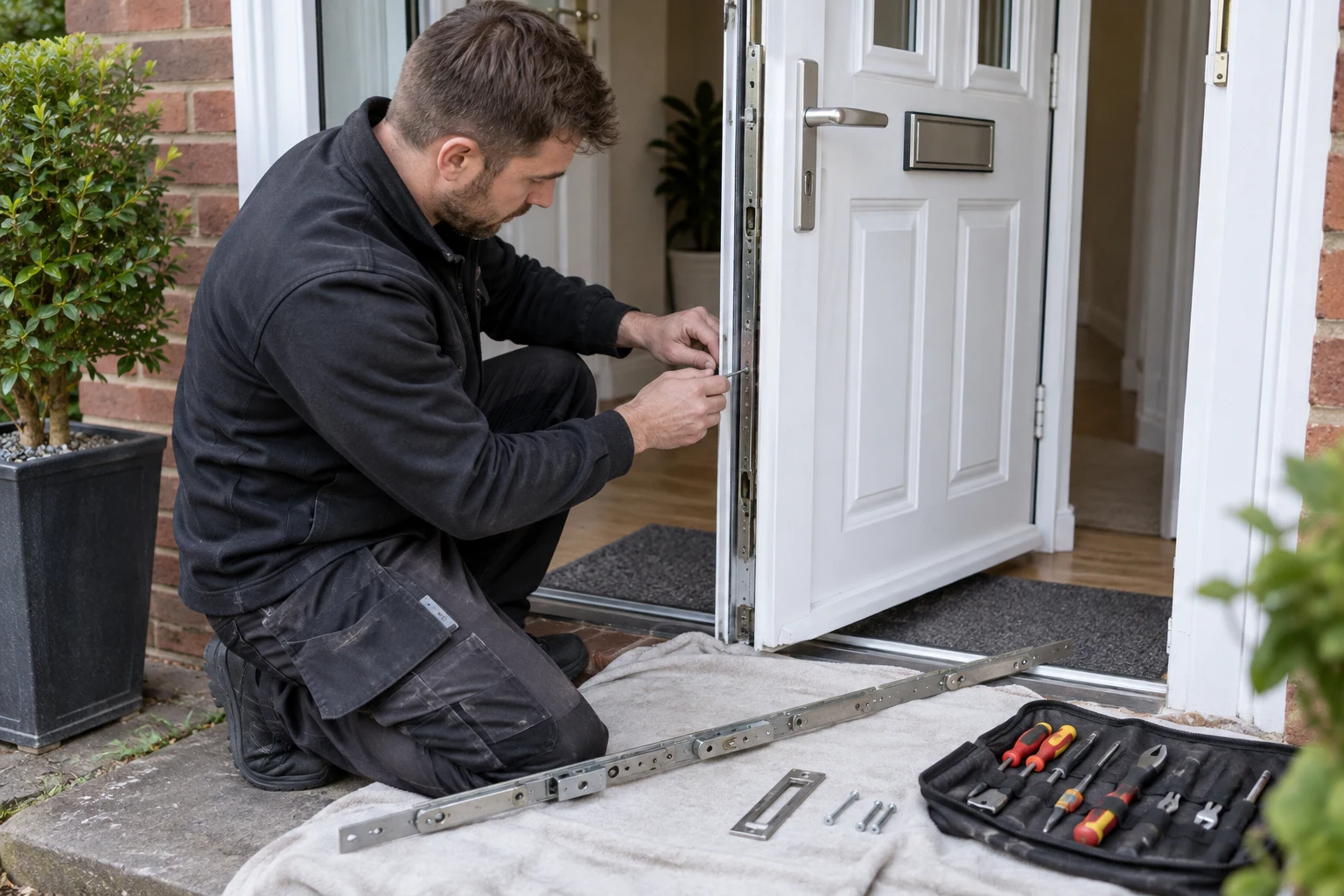
Waiting for help can feel frustrating, especially if the window is letting in cold air or you worry about security. But a few careful checks now can stop the damage from getting worse and make the repair faster when the locksmith arrives. Keep the area clear, note what you have found, and do not attempt any fix that involves taking the window apart. That part is best left to the professionals.
Arriva Locksmiths has the experience to handle window lock repair and glazing work across a wide area. If you need a hand with a broken window, call them and explain what you have seen. A quick description of the lock type, the frame material, and the condition of the glass will help them come prepared. That saves time and gets your window secure sooner.